






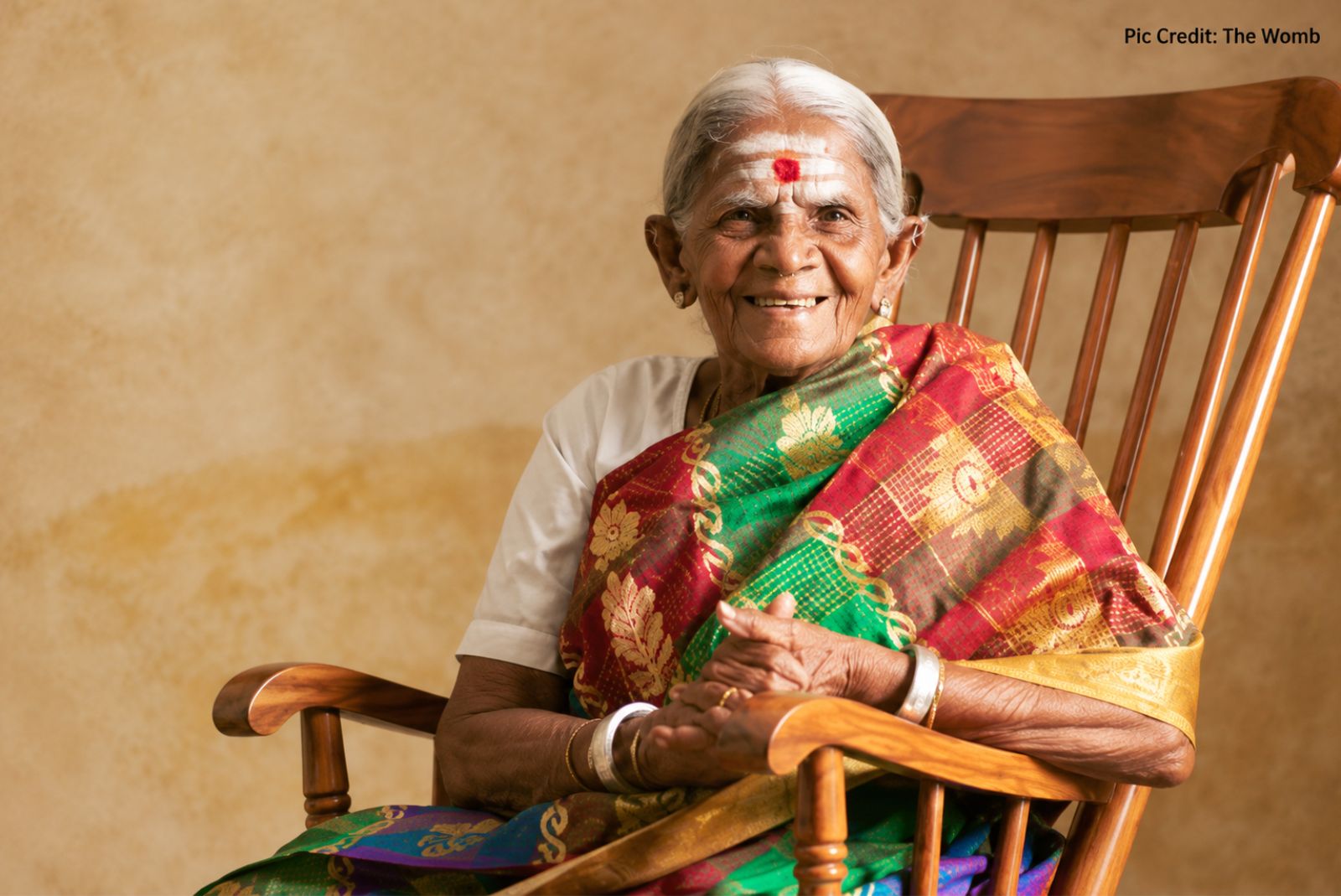
In a world where success is often measured by wealth, status, or material achievements, some individuals create a legacy that transcends generations. Saalumarada Thimmakka, affectionately known as Karnataka’s “Mother of Trees,” is one such remarkable individual whose life demonstrates the extraordinary impact of selfless dedication and love for nature.
Born into a poor family in rural Karnataka, Thimmakka’s early life was marked by hardship and struggle. With limited access to education and opportunities, she worked as a daily wage laborer alongside her husband, Chikkayya, to make ends meet. Life was far from easy, but one challenge weighed heavily on the couple’s hearts—they were unable to have children.
In a society where parenthood is often viewed as an essential part of life, especially for women, Thimmakka endured years of criticism, social stigma, and hurtful remarks. Many people viewed childlessness as a personal failure, and the emotional burden of such judgments was immense. However, instead of allowing sorrow and societal pressure to define her future, she chose to channel her emotions into something meaningful and lasting.
Together, Thimmakka and her husband found a unique way to nurture life. They decided to plant banyan trees along a barren stretch of road between Hulikal and Kudur in Karnataka. What began as a simple act of care soon evolved into a mission that would change the landscape forever.
The couple started with a handful of saplings and personally took responsibility for their growth. With no modern irrigation systems or financial support, they relied entirely on determination and hard work. They carried water over long distances, often balancing pots on their shoulders to ensure the young plants survived. They dug pits manually, fenced the saplings with thorny bushes to protect them from grazing animals, and monitored their growth through changing seasons.
Planting trees was only the beginning. Keeping them alive required years of patience, commitment, and daily effort. While many people might have given up due to the physical demands involved, Thimmakka and Chikkayya remained steadfast in their purpose.
As the years passed, the saplings gradually grew into sturdy trees. The couple continued planting more each year, expanding their green mission. Eventually, their efforts resulted in an avenue of 385 banyan trees stretching across approximately 4.5 kilometers. What was once a barren roadside transformed into a lush green corridor that offered shade, beauty, and ecological benefits to the surrounding region.
The impact of their work extended far beyond aesthetics. The trees improved local biodiversity, created habitats for birds and small animals, helped prevent soil erosion, and contributed to environmental sustainability. Travelers found shelter beneath their expansive canopies, while nearby communities benefited from the greener environment.
Even after the passing of her husband, Thimmakka continued her commitment to environmental conservation. Her dedication inspired countless people across India and beyond, proving that one individual can create extraordinary change through consistent action and perseverance.
Over time, her remarkable contribution gained national and international recognition. She became widely known as “Vruksha Maate,” meaning “Mother of Trees,” a title that perfectly reflects her nurturing spirit and lifelong devotion to nature. Her story resonated with environmentalists, policymakers, and ordinary citizens alike.
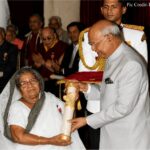
In recognition of her exceptional service, the Government of India honored her with the prestigious Padma Shri in 2019. The award celebrated not only her environmental contributions but also the values of resilience, compassion, and selfless service that her life represents.
Saalumarada Thimmakka’s journey teaches a powerful lesson about legacy. While many people are remembered for what they accumulated during their lifetime, she is celebrated for what she gave back to the world. Through her unwavering commitment to nature, she transformed personal pain into a source of hope and created a gift that will continue to benefit generations.
Her story is not merely about planting trees—it is about nurturing life, overcoming adversity, and proving that one person’s determination can leave an enduring mark on the planet. Long after we are gone, the shade of those banyan trees will continue to tell the story of a woman who chose to grow a forest where others saw only emptiness.