








In a world increasingly dominated by mass-produced fashion and fleeting trends, preserving traditional craftsmanship has become both a challenge and an opportunity. While many indigenous art forms struggle to survive in the face of modernization, some entrepreneurs are finding innovative ways to ensure that these cultural treasures continue to thrive. One such individual is Bengaluru-based entrepreneur Niharika Elety, who is helping revive Karnataka’s centuries-old Lambani embroidery by transforming it into a contemporary fashion statement with global appeal.
Born and raised in the United States, Niharika Elety always maintained a strong connection to her Indian roots. Fascinated by India’s rich cultural heritage, she developed a deep appreciation for the country’s diverse handloom traditions, textile arts, and indigenous crafts. Although her academic and professional journey took her in a very different direction—earning a degree in Biomedical Engineering and building a successful career in the technology sector—she felt increasingly drawn toward creating something that combined creativity, sustainability, and social impact.
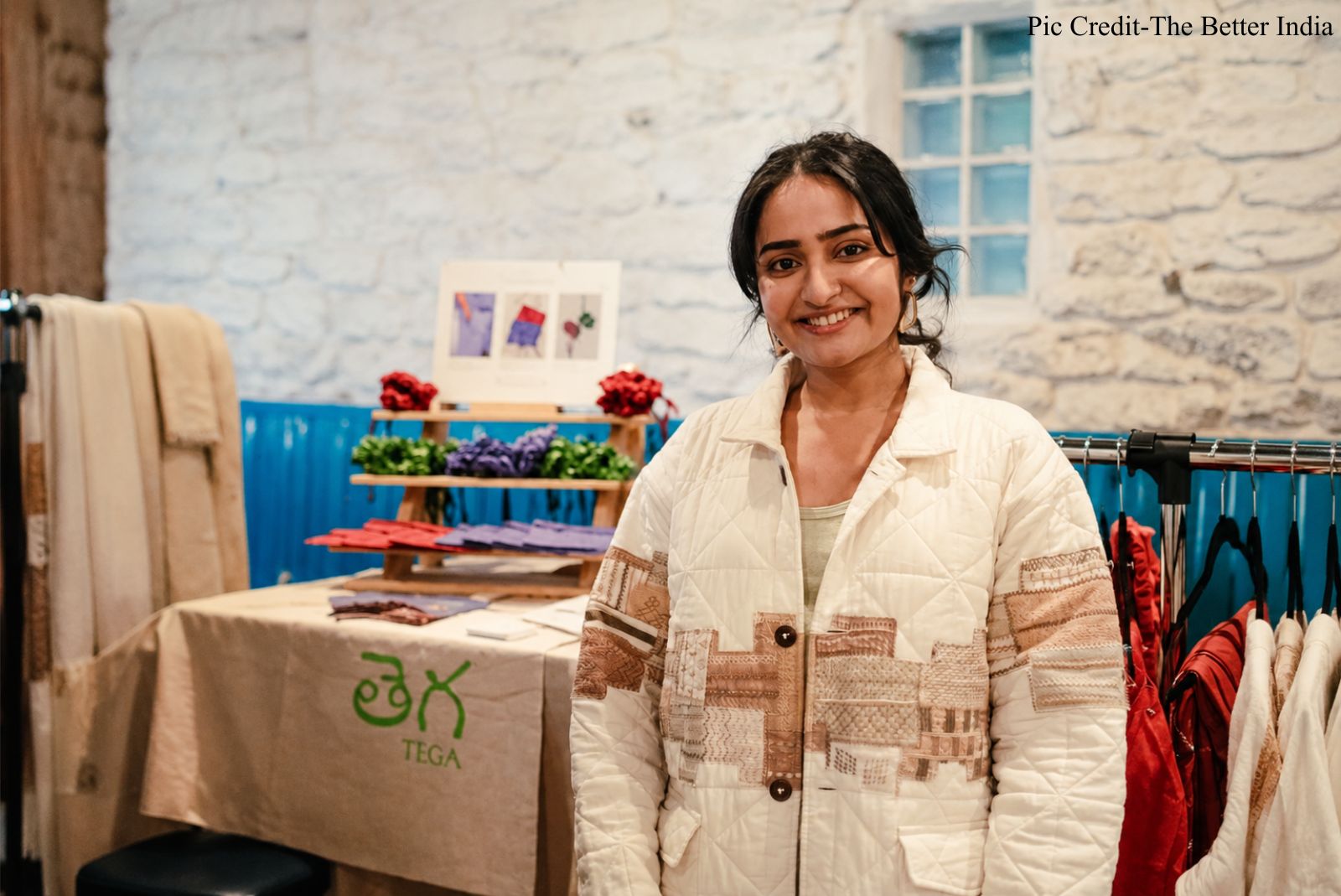
This vision eventually led to the creation of Tega Collective, a purpose-driven fashion brand dedicated to preserving traditional Indian craftsmanship while creating sustainable livelihood opportunities for artisan communities. The word “Tega,” which means “family,” reflects the brand’s core philosophy of building long-term, meaningful relationships with artisans and ensuring that their skills are valued and rewarded.
One of Tega Collective’s most impactful collaborations has been with Lambani women artisans from Karnataka’s Ballari district. The Lambani community, also known as Banjara, is renowned for its vibrant and intricate embroidery tradition that has been passed down through generations. Characterized by bold geometric patterns, colorful threads, mirrors, beads, cowrie shells, and a variety of hand-stitching techniques, Lambani embroidery is one of India’s most distinctive folk art forms.
Recognizing its cultural significance, the craft was awarded a Geographical Indication (GI) tag, a designation that acknowledges its unique regional identity and protects its authenticity. Despite this recognition, many artisans continue to face challenges such as limited market access, declining demand, and inadequate financial returns for their work.
Niharika saw an opportunity to bridge this gap. Rather than confining Lambani embroidery to traditional garments and decorative pieces, she envisioned a way to make it relevant to modern consumers. Through Tega Collective, she began integrating the embroidery into contemporary fashion products, including jackets, shirts, dresses, bags, and accessories.
The result is a unique fusion of heritage and modern design. Traditional hand embroidery is thoughtfully incorporated into minimalist silhouettes and globally appealing styles, allowing customers to wear a piece of India’s cultural heritage in their everyday lives. This innovative approach has helped introduce Lambani craftsmanship to younger audiences and international markets that may have otherwise remained unfamiliar with the art form.
However, the impact of Tega Collective extends far beyond fashion. The enterprise operates with a strong commitment to social responsibility. A portion of the brand’s revenue is reinvested into artisan communities, helping provide economic stability, skill development opportunities, and greater financial independence for women artisans.
For many Lambani women, embroidery is more than a craft—it is a source of identity, tradition, and livelihood. By creating sustainable market opportunities for their work, Tega Collective is helping ensure that these skills are passed on to future generations rather than disappearing over time.
Niharika’s journey highlights the growing role of conscious entrepreneurship in cultural preservation. At a time when consumers are increasingly seeking authenticity, sustainability, and ethical production, her work demonstrates that traditional crafts can successfully adapt to contemporary markets without losing their essence.
Through Tega Collective, she has not only given Karnataka’s GI-tagged Lambani embroidery a modern platform but has also created a model where heritage, innovation, and social impact coexist. In doing so, she is ensuring that one of South India’s most vibrant artistic traditions continues to flourish on both national and global stages, proving that cultural preservation and modern fashion can go hand in hand.