








Water scarcity has become one of the most pressing challenges facing India today. Across many parts of the country, declining groundwater levels have left farmers struggling to irrigate their fields and communities grappling with uncertain access to drinking water. In Tamil Nadu, where recurring droughts and unpredictable rainfall patterns have intensified the crisis, dried-up borewells had become a common sight—silent reminders of a rapidly depleting natural resource.
Yet, amid this growing concern, one innovative initiative demonstrated that sustainable solutions do not always require expensive technology or large-scale infrastructure. Sometimes, the answer lies in reimagining what already exists.
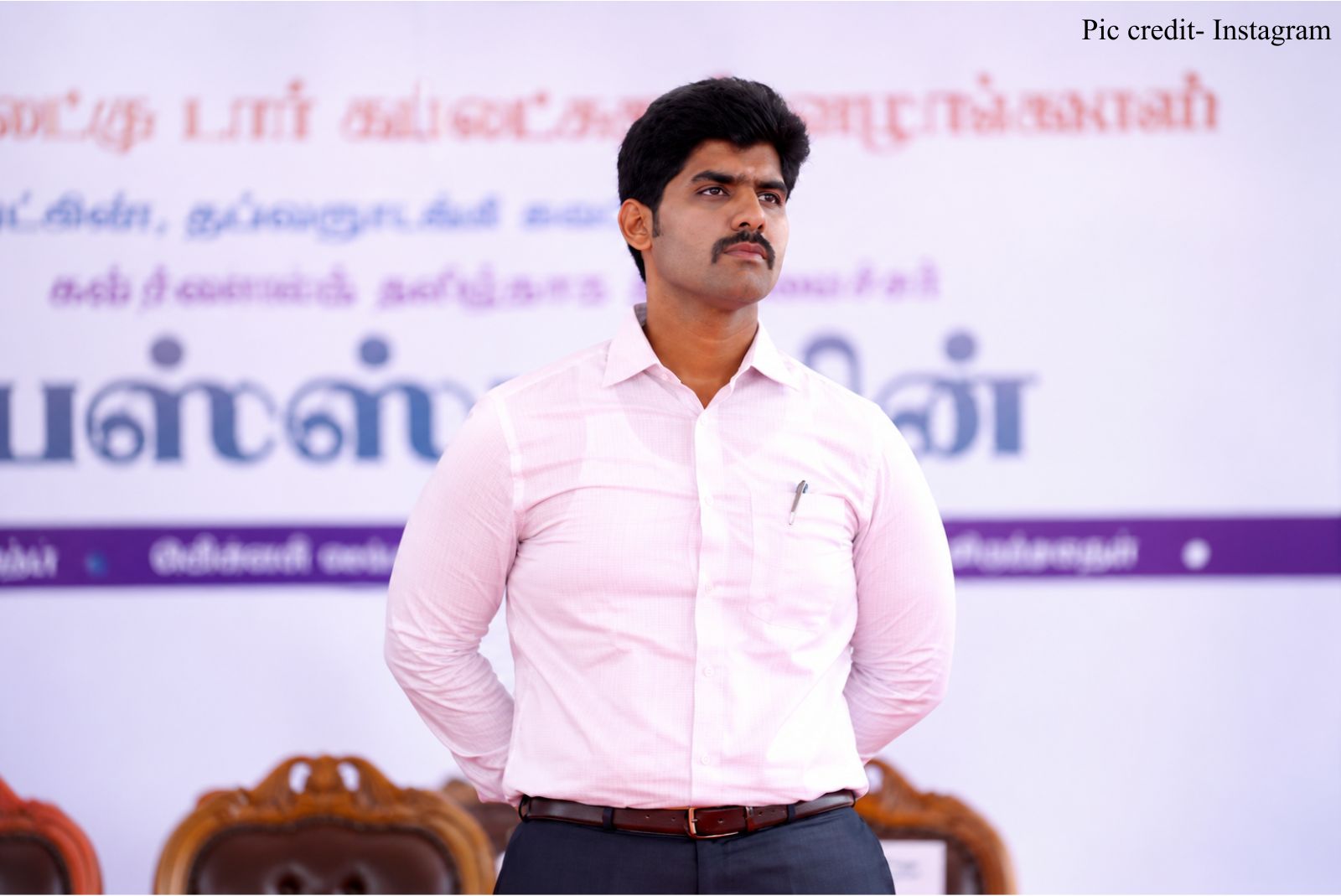
This is the story of IAS officer Prathap M, whose efforts to revive more than 1,200 abandoned borewells helped restore groundwater levels and brought renewed hope to thousands of people across Tamil Nadu.
Born and raised in a small farming village in Virudhunagar district, Prathap M grew up witnessing the realities of water scarcity firsthand. In his rural household, every drop of water mattered. Daily routines were shaped by the availability of water, and careful conservation was a way of life rather than a choice.
Coming from a modest background, he faced financial challenges while pursuing his education. However, determination and hard work helped him overcome these obstacles. His academic success eventually made him the first graduate in his family—a milestone that reflected both personal achievement and the aspirations of his community.
Years later, after joining the Indian Administrative Service, Prathap carried with him a deep understanding of the challenges faced by rural populations. This perspective would prove invaluable when he was appointed District Collector of Tiruvallur.
During his tenure, he encountered a familiar problem on a much larger scale. Hundreds of borewells across the district had become non-functional due to falling groundwater levels. Farmers who once depended on these wells for irrigation found themselves facing mounting uncertainty, while many villages struggled to secure reliable water supplies.
The conventional response to such a situation would often involve drilling deeper borewells or creating new water extraction systems. However, Prathap recognized that continually extracting groundwater without replenishing it would only worsen the problem in the long run.
Instead, he focused on a more sustainable question: How could the groundwater itself be restored?
The answer came in the form of a borewell recharge initiative that transformed abandoned wells into groundwater recharge structures. Rather than allowing rainwater to flow away as surface runoff during monsoon seasons, the project redirected it into unused borewells, enabling water to seep deep underground and replenish depleted aquifers.
The concept was simple but highly effective.
More than 1,200 defunct borewells across the district were identified and modified to function as recharge points. Special filtration arrangements were created to ensure that rainwater entering the borewells was clean and suitable for groundwater recharge. During periods of rainfall, water that would otherwise be lost through drains and runoff channels was directed underground, where it could naturally restore groundwater reserves.
The initiative represented a shift from water extraction to water restoration.
Over time, the impact became increasingly visible. Groundwater levels began showing signs of improvement in several regions. Hand pumps that had remained dry for years started yielding water again. Farmers gained better access to groundwater for irrigation, reducing dependence on uncertain rainfall and expensive alternatives.
The project also helped increase water availability for local communities, improving resilience against future periods of drought.
Beyond its environmental benefits, the initiative demonstrated the power of cost-effective governance. Instead of investing heavily in new infrastructure, the administration focused on optimizing existing resources. By repurposing abandoned borewells, the project achieved meaningful results while keeping costs relatively low.
The success of the initiative also highlighted the importance of local solutions tailored to local challenges. Every region faces unique environmental conditions, and Prathap M’s approach showed how practical, community-oriented interventions can create lasting impact.
Today, the borewell recharge project stands as an inspiring example of sustainable water management. It illustrates how innovative thinking, combined with a deep understanding of grassroots realities, can address some of the most complex challenges facing rural India.
For Prathap M, the initiative was more than an administrative achievement—it was a reflection of values shaped by his own upbringing. Having experienced water scarcity firsthand, he understood the urgency of protecting and restoring this vital resource.
By transforming over 1,200 abandoned borewells into instruments of groundwater conservation, he not only revived water sources but also strengthened the future of countless communities. His work serves as a reminder that effective public service is often rooted in empathy, innovation, and a commitment to long-term solutions that benefit both people and the environment.