







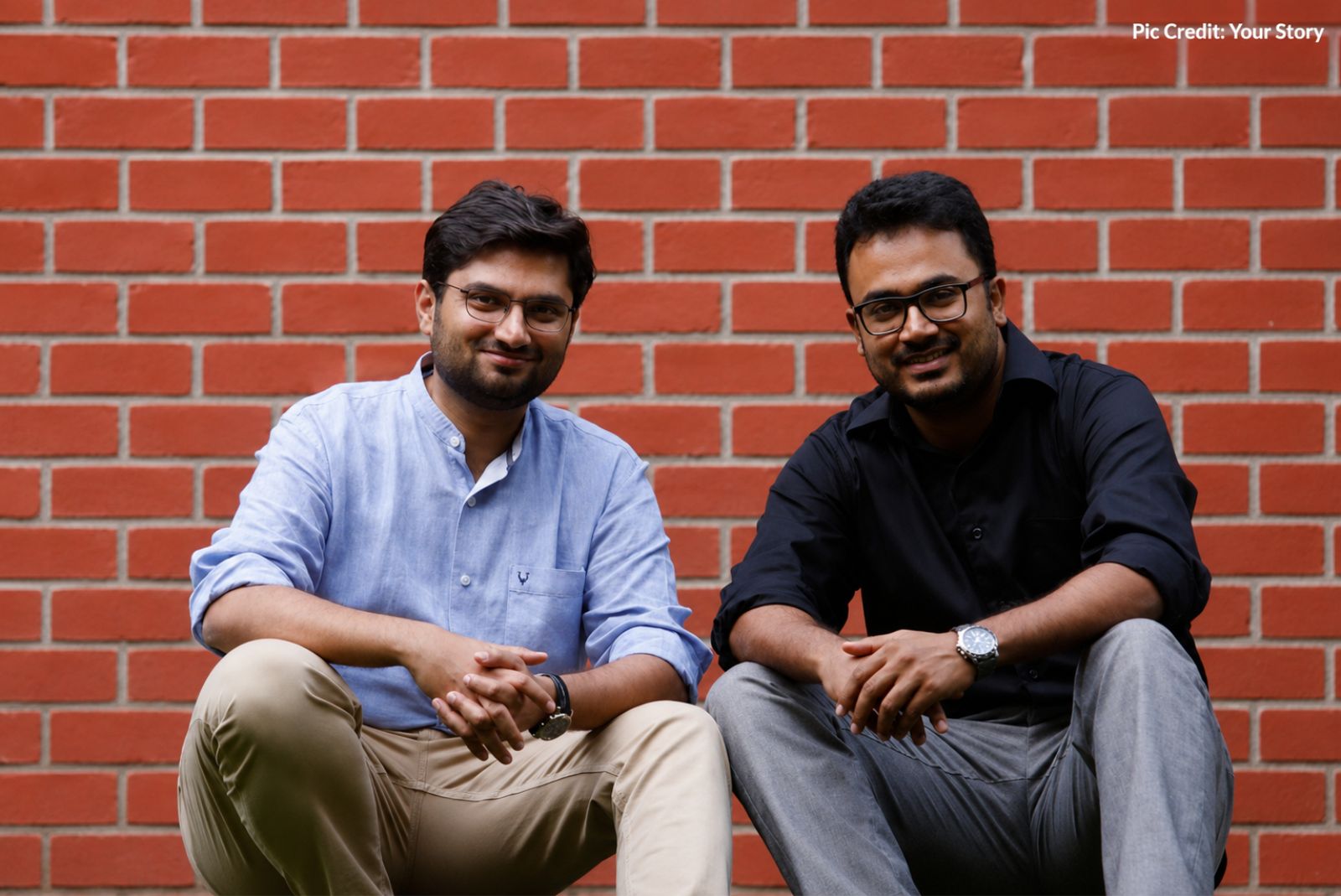
For most of us, an empty shampoo bottle or discarded plastic container is simply waste. Once thrown away, it quickly disappears from our minds. But for Hyderabad-based engineers Mani Vajipey and Raj Madangopal, that same plastic represented one of India’s biggest untapped opportunities.
Their journey began with a simple observation. India generates enormous amounts of plastic waste every year, yet much of it ends up in landfills, drains, rivers, and open dumps. While awareness around sustainability was growing, the country’s recycling ecosystem remained fragmented and inefficient. Plastic was everywhere, but there was no reliable system to bring it back into the economy at scale.
Rather than accepting this as an unavoidable problem, Mani and Raj decided to build a solution.
Leaving behind promising corporate careers, they founded Banyan Nation with a mission to transform plastic waste management in India. Their vision was not merely to recycle plastic but to create a circular economy where discarded materials could be reused again and again instead of becoming pollution.
At the core of Banyan Nation’s model is technology-driven recycling. The company collects post-consumer plastic waste and uses advanced processes to sort, clean, and convert it into high-quality recycled material. This recycled plastic can then be used by manufacturers to create new packaging and products, reducing dependence on virgin plastic.
One of the biggest challenges in recycling has always been quality. Many industries hesitate to use recycled materials because of inconsistency and contamination issues. Banyan Nation addressed this challenge through innovation and strict quality standards, proving that recycled plastic can meet the requirements of major consumer brands.
As a result, several leading FMCG companies have partnered with the organization to incorporate recycled plastic into their packaging. Every product made using recycled material helps reduce waste, conserve resources, and lower environmental impact.
What truly sets Banyan Nation apart, however, is its social impact.
India’s waste management system has long depended on waste pickers and scrap dealers who often work in difficult conditions with little recognition. Recognizing their importance, the company integrated thousands of these workers into a structured and transparent supply chain. This approach created better economic opportunities while strengthening the overall recycling network.
By formalizing the ecosystem, Banyan Nation has helped improve livelihoods, increase efficiency, and bring dignity to workers who play a critical role in keeping cities clean. The company demonstrates that sustainable business models can create positive outcomes not only for the environment but also for society.
Today, Banyan Nation stands as a leading example of India’s growing circular economy movement. Its success shows that sustainability and business growth do not have to exist on opposite sides of the equation. Instead, they can work together to create lasting value.
The story of Mani Vajipey and Raj Madangopal is ultimately about seeing possibility where others see problems. Where many saw discarded plastic and mounting waste, they saw a resource waiting to be recovered and reused.
Their journey reminds us that innovation often begins with a change in perspective. By reimagining waste as an opportunity, they have built a model that benefits businesses, communities, and the environment alike.
In a world searching for sustainable solutions, their work proves that some of the answers to our biggest challenges may already be around us—we simply need the vision to recognize them.