






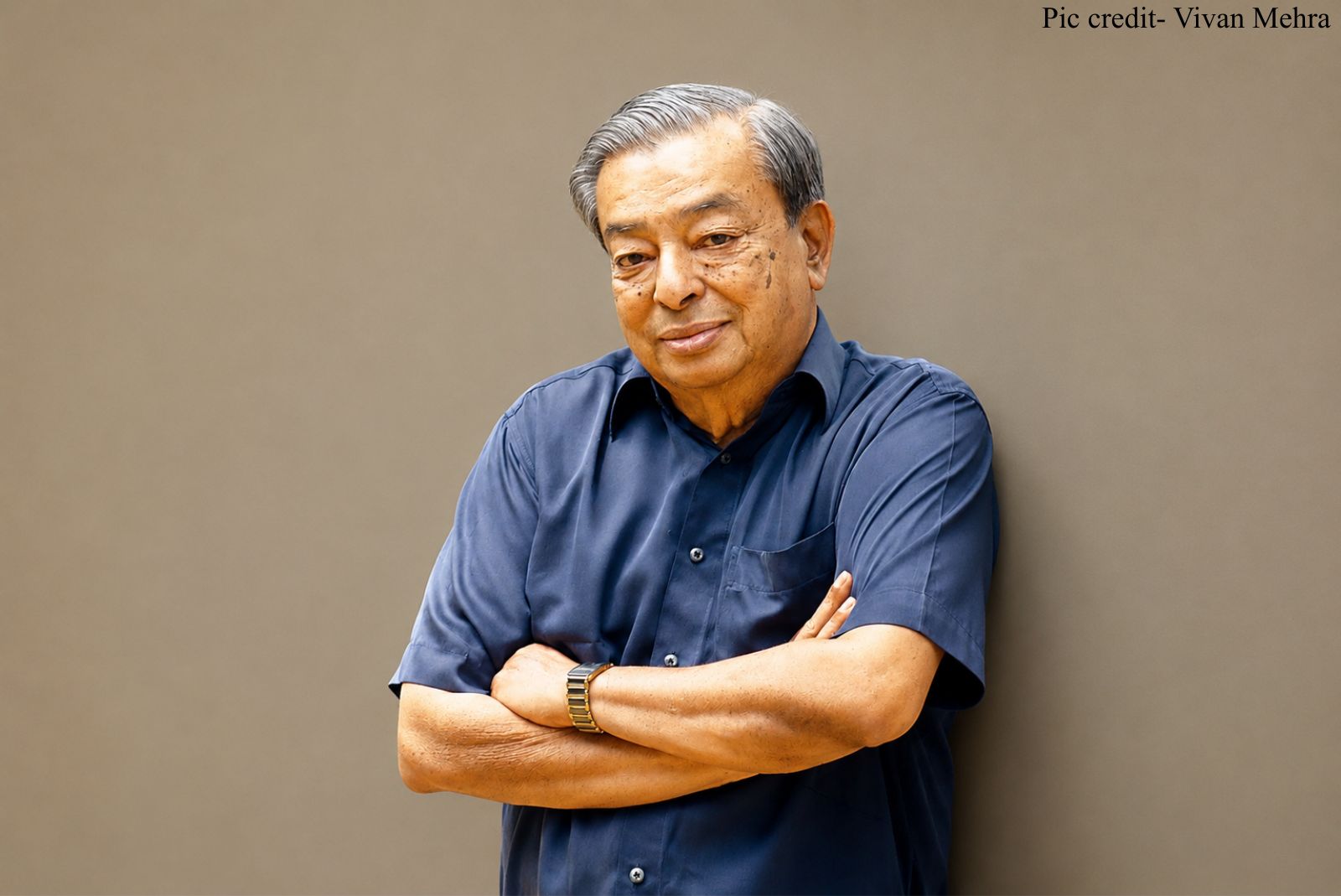
India’s journey from a milk-deficient nation to the world’s largest milk producer is one of the most remarkable success stories in modern history. At the heart of this transformation stood a visionary leader whose determination and innovative thinking changed the lives of millions of rural families. That leader was Verghese Kurien, fondly remembered as the “Milkman of India.”
What makes Kurien’s story even more fascinating is that he never intended to work in the dairy sector. Born in Kerala in 1921, he studied engineering and later pursued specialized training abroad. After returning to India, he was assigned to a government-run dairy plant in Anand, Gujarat, as part of a mandatory service bond. Initially, he viewed the posting as temporary and planned to move on as soon as possible. However, fate had other plans.
While working in Anand, Kurien witnessed the struggles of local dairy farmers. Despite producing milk, they earned very little because middlemen controlled procurement and distribution. Farmers lacked bargaining power and had limited access to markets, forcing them to accept unfair prices. Kurien realized that unless farmers themselves controlled the value chain, their economic conditions would never improve.
Around this time, he met Tribhuvandas Patel, a freedom fighter and leader of a local dairy cooperative. The two shared a common vision of empowering farmers through collective ownership. Together, they strengthened a cooperative model that allowed producers to own and manage every stage of the dairy business—from milk collection and processing to marketing and distribution.
This farmer-centric approach eventually led to the rise of Amul, a cooperative that would become one of India’s most trusted and successful brands. Unlike traditional businesses focused solely on profit, Amul ensured that earnings flowed back to the farmers who supplied the milk. By eliminating unnecessary intermediaries, the cooperative guaranteed fair prices and stable incomes for rural households.
Under Kurien’s leadership, Amul introduced modern dairy technologies, improved processing facilities, and built an efficient supply chain capable of serving consumers across India. The cooperative’s success demonstrated that rural producers could compete effectively with large commercial enterprises when provided with the right support and infrastructure.
Recognizing the potential of the Anand model, Kurien helped replicate it nationwide. In 1965, he became the founding chairman of the National Dairy Development Board (NDDB), which spearheaded one of India’s most ambitious agricultural programs—Operation Flood. Often referred to as the White Revolution, this initiative connected milk producers across the country through a vast cooperative network.
Operation Flood transformed India’s dairy sector. Milk production increased dramatically, reducing dependence on imports and improving nutritional security for millions. More importantly, the movement generated sustainable livelihoods in rural areas, particularly benefiting small farmers and women who played a significant role in dairy farming. The success of the program became a global example of how cooperative development can drive economic growth and social empowerment simultaneously.
Today, the impact of Kurien’s vision can be seen in every corner of India. Amul has grown into a dairy giant with annual revenues exceeding ₹1 lakh crore, while millions of farmers remain stakeholders in the cooperative movement he helped build. The brand has become synonymous with quality, affordability, and farmer empowerment.
Yet Kurien’s greatest achievement was not creating a successful company—it was proving that development can be inclusive. He showed that ordinary farmers, when organized and empowered, could transform an entire industry and contribute significantly to national progress.
For his extraordinary contributions, Verghese Kurien received several prestigious honors, including the Padma Shri, Padma Bhushan, and Padma Vibhushan. He was also awarded international recognition for his pioneering work in rural development and cooperative management.
Verghese Kurien passed away in 2012, but his legacy continues to thrive through the millions of dairy farmers whose lives were transformed by his vision. His journey from an engineer with no interest in dairy to the architect of India’s White Revolution remains a powerful reminder that true leadership is about creating opportunities for others and building systems that benefit generations to come.